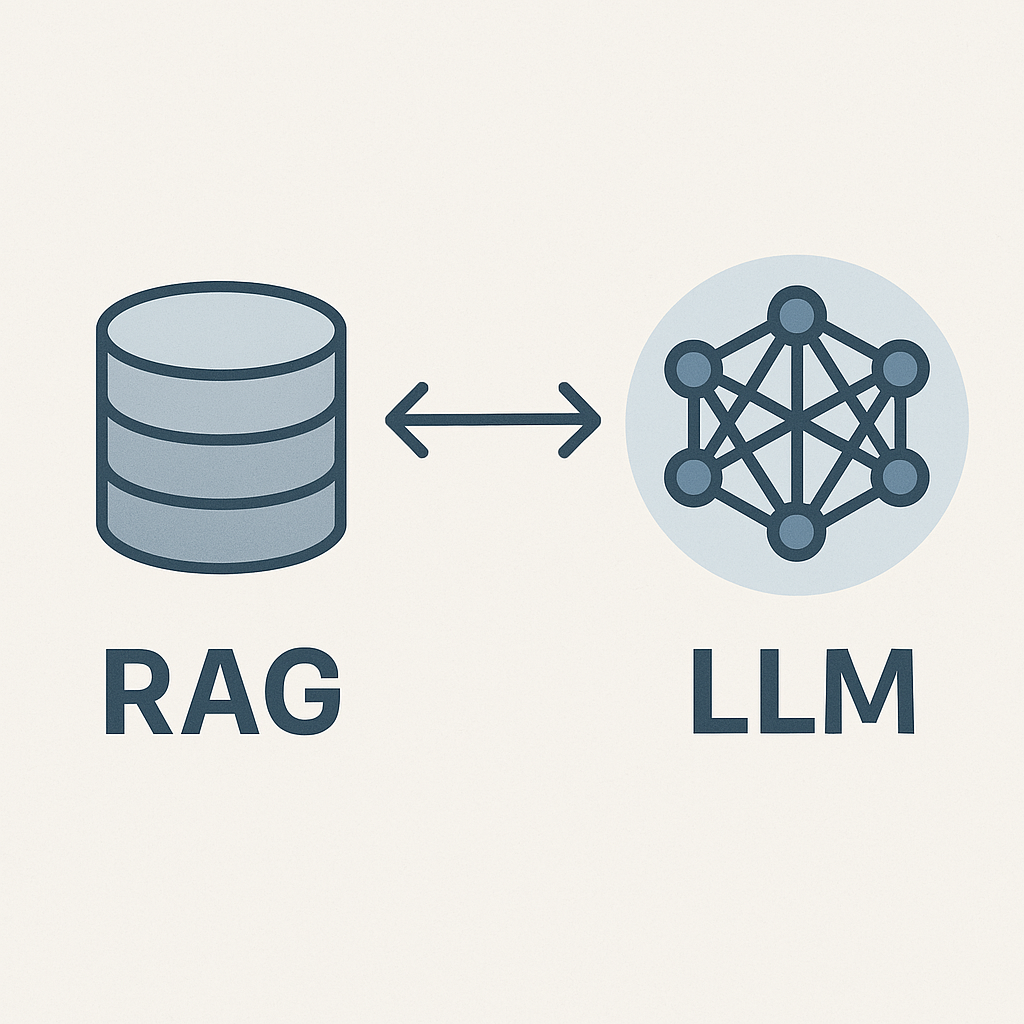
A blog about RAG
In the world of AI and natural language processing (NLP), RAG—or Retrieval-Augmented Generation—is a powerful technique that combines the strengths of two things: retrieving information and generating natural language.
Let’s break it down.
The Problem RAG Solves
Most AI models like ChatGPT are trained on large datasets and can answer many questions. But they can sometimes "hallucinate"—basically, make things up. That’s because they rely solely on what they’ve seen during training.
What if the AI could look things up—like how we use Google—and then use that info to give a better answer?
That’s where RAG comes in.
How RAG Works
- Retrieve: When a question is asked, the RAG system first searches a database or knowledge base (like Wikipedia, documents, or a custom dataset) to find relevant passages.
- Augment: These retrieved documents are then passed along with the original question to a language model.
- Generate: The model uses both the question and the retrieved data to generate a more accurate and informed response.
Why It Matters
- 🔍 More factual answers – since the model is pulling real data instead of guessing.
- 📚 Scalable knowledge – you can update the database anytime without retraining the model.
- 🛠️ Customizable – perfect for businesses wanting AI that knows their specific info.
Real-Life Use Cases
- Customer support bots that pull answers from company FAQs
- Legal AI assistants accessing case law
- Academic research tools summarizing articles
In short: RAG is like giving your AI a library card—it can now check facts before speaking. And that makes its responses a lot smarter.